Yorkie temperament

Yorkie temperament: brave little dogs who need calm structure

A Yorkie is not just a tiny lap dog with a pretty coat. Yorkshire Terriers are bright, attached, alert and often surprisingly bold. In the right home that makes them wonderful companions. In a chaotic home, the same traits can turn into barking, clinginess, snapping, toileting setbacks or anxiety.

Yorkshire Terrier temperament and personality guide
Small body, terrier mind.

Most temperament problems improve when the dog feels safe, rested, understood and consistently guided.

What many Yorkies are like

  • Deeply attached to their people and daily routines
  • Alert to visitors, noises, birds, gates and movement outside
  • Confident enough to challenge dogs much larger than themselves
  • Quick learners, including habits you did not mean to teach
  • Playful, busy and affectionate when they feel secure
  • Sensitive to household tension, rough handling and sudden change

What they need from people

  • Gentle but clear boundaries, not being allowed to run the home
  • Predictable feeding, sleeping, toileting and walking rhythms
  • Protection from toddlers, boisterous dogs and unsafe jumping
  • Calm training before barking or guarding becomes a habit
  • Time to settle after adoption, travel, kennels or a family change
  • Owners who check health when behaviour changes suddenly
A better way to read behaviour

Temperament is shaped by the household

The old question is often, “Are Yorkies good with children?” A more useful question is, “Can the children be good with a Yorkie?” A tiny dog can be brave and playful, but it can still be hurt by squeezing, chasing, falling furniture, rough lifting or being woken suddenly.

The same applies to adults. If a Yorkie is carried everywhere, fed whenever it begs, rewarded every time it barks and never asked to settle on its own, it may become pushy or anxious. That is not a reason to be harsh. It is a reason to be fair, consistent and dog-minded.

Rescue-safe framing

Do not confuse confidence with toughness

Yorkies often have a big-dog opinion of themselves, but they remain physically fragile. A confident Yorkie may march up to a bigger dog, guard a lap, challenge a visitor or throw itself off a couch. Good homes admire the courage without putting the dog in danger.

If you are adopting, ask about the dog’s history, triggers, sleep, toileting, medical issues and previous exposure to children or other pets. If you are rehoming, be honest about behaviour so the next home can prepare properly.

Read the rescue settling-in guide

Yorkshire Terrier learning calm routines that shape temperament
Barking and guarding

Barking usually has a pattern

A Yorkie that barks at the gate, the neighbour, the other dogs, or every visitor is often trying to control the environment. Start by reducing chaos: enough sleep, fewer rehearsals of the trigger, calm interruption, reward for quiet, and a predictable place to settle.

Scolding can make a sensitive dog louder because it adds more emotion to the moment. Quiet, repeated structure works better than shouting.

See Yorkie training basics

Attachment and independence

Affection is lovely; panic is not

Many Yorkies bond closely with one person. That bond can be beautiful, but it should not mean the dog panics whenever the person leaves the room. Build independence gently: short calm separations, a safe bed, predictable returns, enrichment, and no dramatic goodbye routine.

If clinginess appears suddenly in an adult or senior Yorkie, consider pain, dental trouble, eyesight, hearing, digestive discomfort or anxiety after a household change. Behaviour and health often overlap.

Children and visitors

Make the rules simple and kind

A Yorkie living with children needs adult supervision, not wishful thinking. Children should sit down to greet the dog, avoid grabbing, leave the dog alone while sleeping or eating, and understand that a growl or retreat means “give me space”.

With visitors, give the dog somewhere to go before the doorbell rings. Do not force handling to prove the dog is friendly. Calm exposure builds confidence faster than pressure.

Other dogs

Big-dog confidence needs careful management

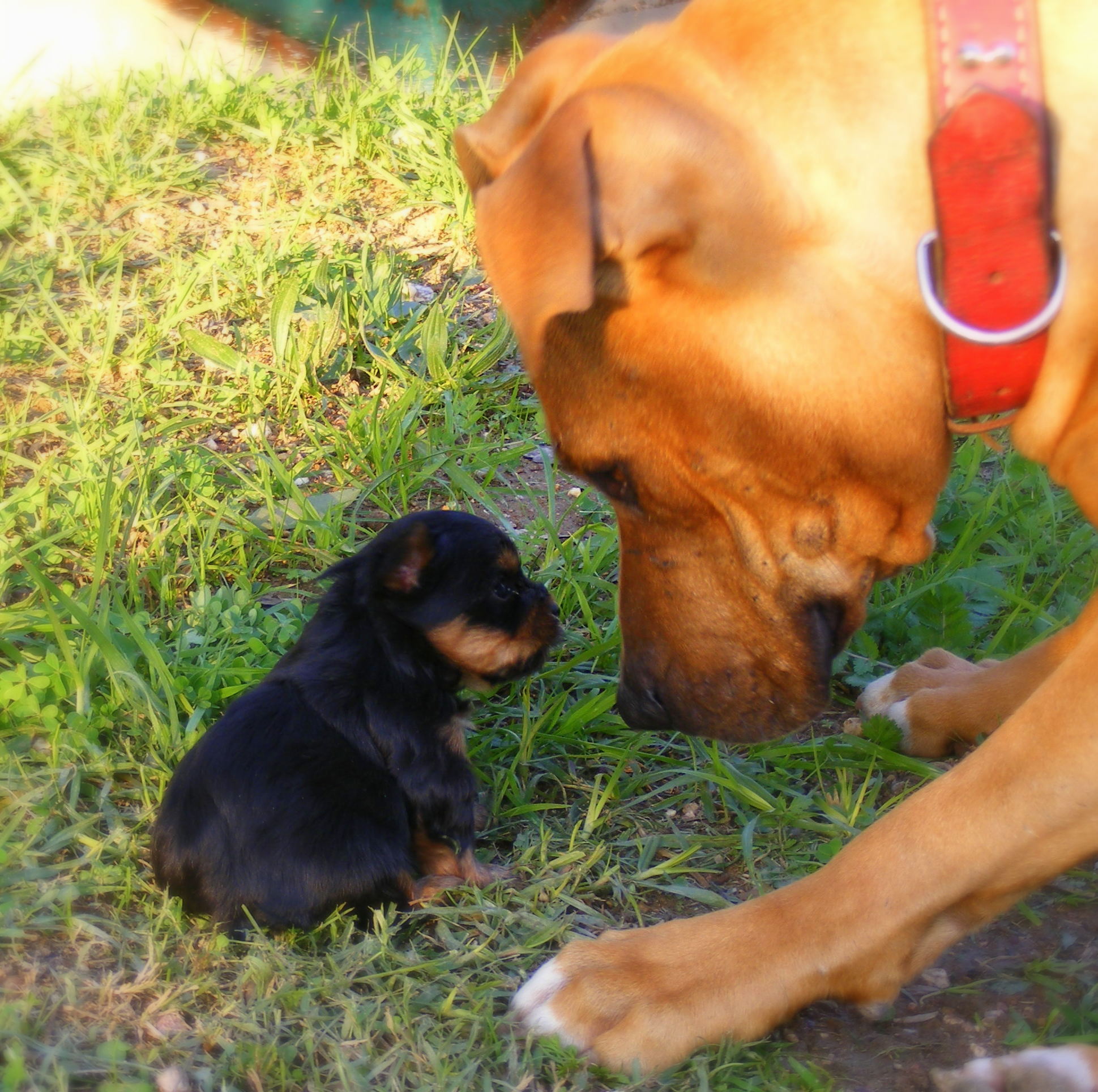
Some Yorkies live beautifully with bigger dogs. Others become bossy, defensive or over-brave. Let dogs meet slowly, keep food and high-value toys managed, give each dog a safe resting space, and interrupt tension before it escalates.

Avoid letting a Yorkie practise reckless behaviour while standing near your feet or on your lap feeling invincible. Calm confidence is safer than noisy bravado.

Size expectations

Tiny labels do not tell you temperament

Search terms like “teacup Yorkie”, “pocket Yorkie” and “miniature Yorkie” can distract people from the questions that matter: is the dog healthy, steady, well socialised, safely handled and suitable for your home? Very tiny dogs may need extra protection from falls, rough play, cold, missed meals and bigger pets.

If size is your main reason for wanting a Yorkie, pause. Temperament, health and household fit will matter every day, long after the novelty of a tiny dog has worn off.

Understand Yorkie size and growth

Rescue adjustment

A new home can change behaviour temporarily

A newly adopted Yorkie may be quiet for a few days, then more vocal once it feels stronger. Or it may arrive frantic, then relax as routine becomes clear. Toileting accidents, clinginess, pacing, barking and poor sleep are common adjustment signs, not automatic proof that the placement is wrong.

Give the dog a simple first week: food, sleep, short toilet breaks, a safe bed, gentle handling and fewer visitors. Training can start, but pressure should wait.

Quick answers owners often need

Are Yorkies good with children?

Yorkies can be good with children when the home is calm and the children are taught to handle a tiny dog gently. Very young or rough children can accidentally hurt a Yorkie, so supervision and clear rules matter.

Why do Yorkies bark so much?

Many Yorkies bark because they are alert terriers who notice movement, sound and changes quickly. Barking often gets worse when a dog is over-tired, under-exercised, anxious, rewarded for noise, or expected to manage too much stimulation.

Can Yorkies live with bigger dogs?

Some Yorkies live happily with bigger dogs, but introductions must be careful. A confident Yorkie can overestimate its size, and a larger dog can injure a Yorkie by accident, so calm supervision, safe spaces and compatible temperaments are important.

Are rescue Yorkies harder to settle?

Not always. A rescue Yorkie may need decompression, routine and patience while learning the new household, but many settle beautifully when people move slowly, avoid pressure and give the dog predictable daily structure.

Useful next reads

Temperament makes more sense when you connect it to training, daily care, health, size, adoption fit and rescue settling-in. These pages give that fuller picture.