Warning signs Vet planning Dental and puppy risks

Yorkie health guide for calm, confident owner decisions

Yorkies are tiny dogs with very little room for a health problem to drag on unnoticed. The most useful habit is calm observation: notice appetite, energy, breathing, teeth, skin, comfort, and toilet changes early, then get veterinary help promptly when something shifts.

This guide helps you prepare before there is a crisis, recognise the changes that deserve same-day attention, and build steady daily checks without becoming anxious about every small wobble.

Act earlyTiny dogs have less reserve
Plan aheadKnow your vet options
Observe calmlyTrack meaningful changes
Yorkshire Terrier health and veterinary care guidance
Small dogs can worsen quickly.

Appetite loss, vomiting, weakness, dehydration, and breathing changes usually deserve attention sooner rather than later.

Health changes that should get your attention fast

  • Refusing food, missing repeated meals, or drinking much less than usual
  • Vomiting, diarrhoea, or signs of dehydration
  • Weakness, trembling, unusual sleepiness, or seeming flat and not quite right
  • Coughing, gagging, breathing strain, blue gums, or collapse
  • Limping, pain when picked up, or suddenly avoiding stairs or jumping
  • Eye discharge, ear irritation, skin flare-ups, or persistent scratching
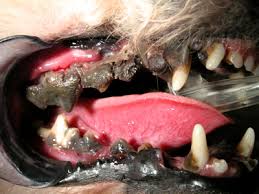
  • Bad breath, bleeding gums, or obvious dental discomfort

Routine care that prevents bigger problems

  • Keep vaccinations, parasite prevention, and check-ups current
  • Use grooming time to check skin, ears, paws, nails, and any new lumps
  • Watch weight, appetite, stool quality, and energy together rather than one thing alone
  • Stay ahead of dental care instead of waiting for severe gum disease
  • Keep your Yorkie warm, dry, and protected from rough handling or falls
  • Know your nearest daytime vet and after-hours emergency option before you need them
Vet planning

Choose your vet before there is a crisis

One of the most useful ideas from the legacy site was simple and still true: do not wait for an emergency to work out where your Yorkie should go. Tiny dogs can dehydrate or decline quickly, especially with vomiting, diarrhoea, sudden weakness, or breathing trouble.

Ask your vet what same-day warning signs matter most for your dog's age and history, and make sure you know the after-hours contact path. That small bit of preparation can save panic when something changes late at night or over a weekend.

Common pressure points

Pay extra attention to teeth, joints, breathing, and blood sugar risk

Yorkies often need closer monitoring for dental disease, painful retained puppy teeth, delicate joints, and airway strain. Very young puppies can also be vulnerable to low blood sugar if they stop eating, vomit, or have diarrhoea.

That does not mean every Yorkie will have these problems. It means owners should take reduced appetite, repeated stomach upset, painful movement, or noisy breathing seriously instead of assuming a tiny dog will simply bounce back on its own.

Finding the right vet

Ask small-dog questions before you need urgent help

Yorkies are not difficult because they are precious; they are delicate because tiny bodies leave less margin for dehydration, anaesthetic decisions, dental work, and dosing. A good vet should take that seriously without making you feel silly for asking questions.

  • Ask whether the practice is comfortable treating very small dogs and puppies.
  • Confirm what to do after hours if vomiting, diarrhoea, collapse, or breathing trouble starts.
  • Keep the daytime number, emergency number, and your dog's medication notes somewhere easy to find.
  • If a response feels dismissive or unsafe, it is reasonable to seek another professional opinion.
First-aid mindset

Prepare, but do not replace the vet

The old Yorkiesa advice strongly warned owners not to delay with diarrhoea, vomiting, dehydration, or a very small puppy that stops eating. That remains sensible. Keep basic supplies and vet numbers ready, but use them as a bridge to professional help, not as a reason to wait too long.

For puppies, elderly Yorkies, rescue dogs with unknown history, or any dog already looking weak, phone sooner. A calm early call is safer than a late-night emergency after hours of guessing.

Yorkshire Terrier resting comfortably while being monitored for health changes
When to act urgently

Do not wait too long with a tiny dog

Contact a vet urgently if your Yorkie is struggling to breathe, collapses, cannot keep water down, becomes suddenly weak, has repeated vomiting or diarrhoea, or seems to be getting worse over a short period. Small dogs have less reserve, so delays matter more.

Review feeding-related warning signs

Daily monitoring

Build a routine that makes problems easier to spot

Health observation becomes much easier when daily life is predictable. Feed measured meals, keep fresh water available, handle your Yorkie gently, and use normal grooming time to notice little changes before they become dramatic ones.

Breed-specific appendices

Yorkie health notes owners should keep in mind

Dental and mouth pain

Yorkies are small enough that dental discomfort can quietly affect eating, mood, breath, and handling. Bad breath is not just cosmetic. If your dog chews on one side, drops food, resists mouth checks, has retained puppy teeth, or shows red gums, ask your vet to check properly.

Very small puppies and low reserves

Young or very tiny Yorkies have less margin when they stop eating, vomit, or develop diarrhoea. Weakness, shaking, sleepiness, or missed meals in a puppy may point to low blood sugar or dehydration risk and should be treated more seriously than the same mild wobble in a healthy adult dog.

Knees, backs, and fragile handling

Small dogs can be injured by falls, rough play, awkward lifting, or repeated jumping. Limping, crying when picked up, a hunched posture, or sudden reluctance to move normally should not be brushed off as stubbornness.

Breathing, coughing, and heat

Repeated coughing, gagging, noisy breathing, collapse, blue gums, or breathing strain needs urgent advice. In warm South African weather, avoid pushing a tiny dog through heat, stress, or overexcitement when they are already struggling.

Quick answers owners often need

Why can a Yorkie seem fine and then worsen quickly?

Because tiny dogs have less reserve. Ongoing vomiting, diarrhoea, low food intake, dehydration, or breathing trouble can catch up with them faster than people expect.

Is dental care really that important for Yorkies?

Yes. Small dogs often develop dental disease earlier than owners realise. Bad breath, red gums, pain, and difficulty chewing are worth checking properly.

When should I stop watching and phone the vet?

Phone sooner if your Yorkie is very young, elderly, fragile, or worsening quickly. Sudden weakness, repeated vomiting, breathing trouble, collapse, or refusal to drink should not sit on a wait-and-see list.

A calmer next-step path

If you are building confidence as a Yorkie owner, pair this page with the practical care, feeding, and adoption guidance below. The goal is not to panic at every change, but to notice the important ones early and respond well.

This page is informational only and does not replace veterinary advice. If your Yorkie is distressed, rapidly worsening, collapsed, or struggling to breathe, contact a vet urgently.