
Breed fit Care realities Rescue-safe decisions

Yorkshire Terrier guide for real-world homes

Yorkies are bright, affectionate little terriers with huge presence and very real care needs. A good breed guide should help you decide honestly whether a Yorkshire Terrier suits your home, not just whether you like the idea of one.

Use this page to understand temperament, grooming, size expectations, children, health pressure, training, adoption fit, and the common search labels that can lead people into poor decisions.

Small terrierBrave, alert, attached
Care intensiveCoat, teeth, routine
Not a noveltyChoose for fit, not size
Yorkshire Terrier breed guide for owners and adopters
Tiny does not mean low effort.

A Yorkie usually needs a careful home that notices details, keeps routines steady, and handles small-dog fragility with respect.

What to expect from a Yorkie

  • A small dog with a strong sense of presence
  • Close attachment to people and daily routines
  • Alert terrier confidence that can become barking if unmanaged
  • Regular brushing, coat trimming, hygiene care, and nail checks
  • Dental attention, vet planning, and careful monitoring of appetite and energy
  • Sensitivity to cold, rough handling, falls, and household chaos

What people often get wrong

  • Assuming a small dog is automatically an easy dog
  • Choosing by coat colour, cuteness, or “teacup” size before health and temperament
  • Underestimating grooming, dental costs, and behaviour support
  • Expecting children to handle a fragile dog safely without adult guidance
  • Leaving barking, fear, toileting, or matting until it becomes a crisis
  • Treating rescue or rehoming as a fallback instead of planning carefully upfront
Breed background

A toy-sized dog with terrier roots

The legacy Yorkiesa material described the Yorkie as both a toy dog and a “real dog” with terrier character. That is still a useful way to think about the breed. They are small enough to need protection, but they are not ornaments. Many are brave, busy, alert, and convinced they should have an opinion about everything.

Their well-known silky coat is part of the breed’s appeal, but it is also a responsibility. A coat that is not managed can mat, pull, trap dirt, and make handling painful. Practical grooming matters more than a showy appearance.

South African homes

Good Yorkie homes are attentive, not necessarily fancy

A Yorkie can thrive in a flat, townhouse, or family home when the household is steady and careful. The important question is whether someone will notice small changes, manage grooming, keep the dog safe around doors and stairs, and respond kindly when training or anxiety needs work.

If the home is loud, rough, unpredictable, or looking for a low-input pet, the match needs serious thought before a dog is brought in.

A Yorkie may suit you if

  • You want a close companion and can give daily attention.
  • You are comfortable with brushing, grooming appointments, and regular handling.
  • You can keep a small dog safe around children, bigger dogs, stairs, gates, and cars.
  • You prefer predictable routines and gentle training over “leave them to it” ownership.
  • You are prepared for dental care, vet costs, behaviour support, and senior-dog needs.

Think carefully if

  • You mainly want a tiny or fashionable-looking puppy.
  • The home has unsupervised small children or rough play with larger dogs.
  • You dislike grooming or expect a dog to be low-maintenance because it is small.
  • You work long hours with no realistic toileting, companionship, or care plan.
  • You would be frustrated by barking, clinginess, house-training setbacks, or vet bills.
Yorkie size and growth expectations for responsible owners
Size labels

Teacup, parti, doll face, and other search terms

People often search for “teacup Yorkie”, “parti Yorkie”, “doll face Yorkie”, “miniature Yorkie”, or “tiny Yorkie puppy”. Some labels describe appearance or colour, while others are mostly marketing language. None of them should outrank health, temperament, ethical sourcing, and the home’s ability to care properly.

Very tiny dogs can have less physical reserve. Slow the decision down if size novelty is becoming the main attraction.

Better decision filter

Choose for fit, health, and stability

Whether you adopt, rehome, or research breeders, the practical questions are the same: Is the dog healthy enough? Is the temperament suitable? Can the home meet grooming, dental, training, and vet needs? Is everyone being honest about the workload?

Common ownership questions

Reality checks before you choose a Yorkie

These are the practical points that often decide whether a Yorkie becomes a happy long-term companion or a stressed dog in the wrong setup.

Children and Yorkies

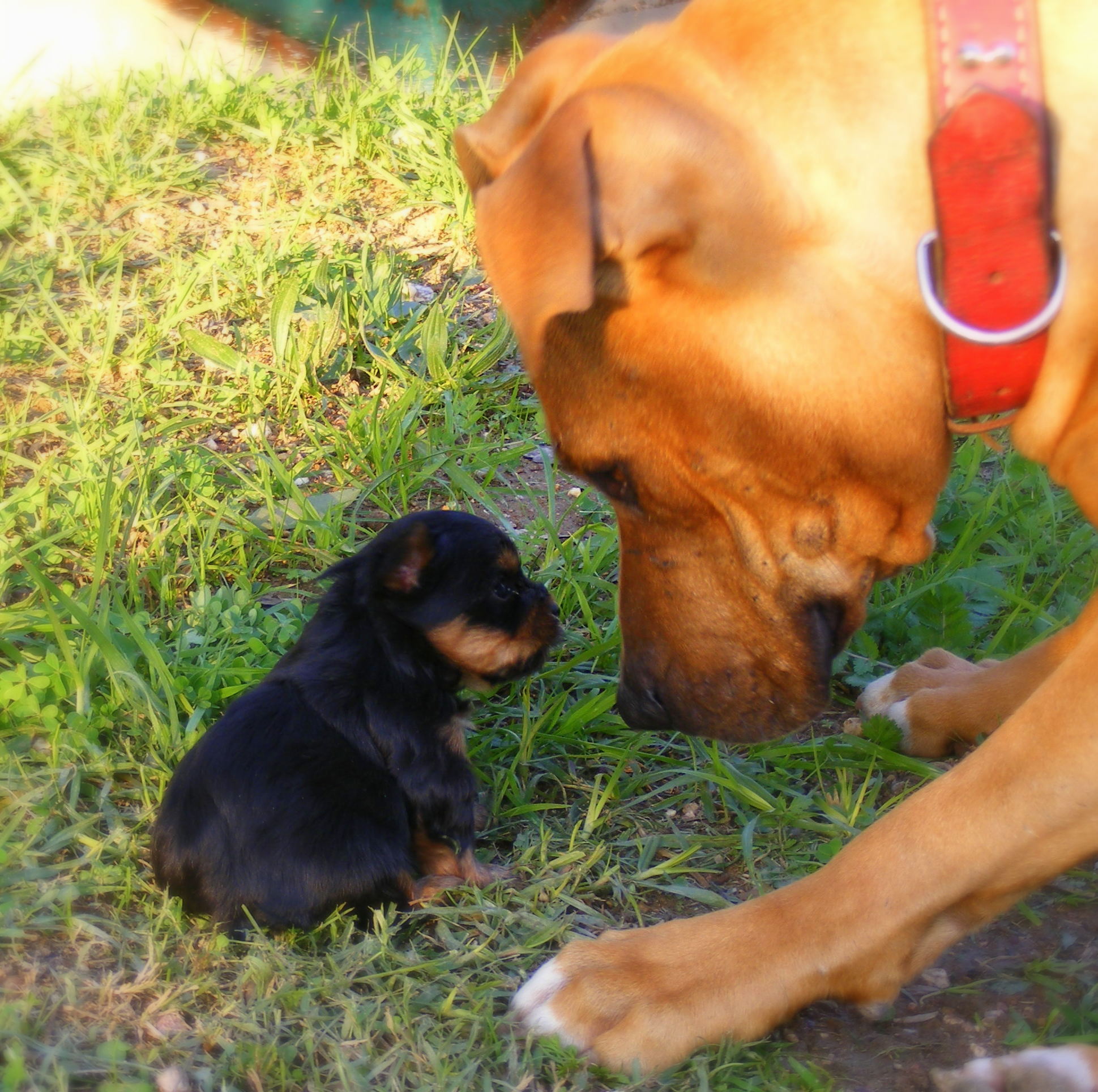
Yorkies can be loving family dogs, but their size makes supervision essential. Children need to learn calm handling, no grabbing, no chasing, and no lifting without help. A frightened or hurt Yorkie may bark, hide, snap, or become difficult to handle.

Training and barking

Yorkies are alert and quick to react. Training should focus on calm routines, toilet habits, safe boundaries, and reducing over-responsibility. Barking is easier to guide early than after months of rehearsed alarm behaviour.

Grooming and coat care

The breed’s silky coat is beautiful, but practical comfort comes first. Many family Yorkies do best with manageable trims, regular brushing, clean eyes and ears, short nails, and prompt grooming before mats become painful.

Adoption and rescue fit

A rescue or rehomed Yorkie may need decompression, dental work, grooming, confidence building, or help with toileting and anxiety. The reward can be wonderful, but the first month should be planned realistically.

Quick answers

Are Yorkies hypoallergenic?

Yorkies are often lower-shedding than many breeds, but no dog is guaranteed hypoallergenic for every person. If allergies matter, spend time around similar dogs before committing and keep grooming realistic.

Do Yorkies need lots of exercise?

They need daily movement and mental engagement, but not rough or exhausting exercise. Short walks, sniffing, play, training, and safe household routines usually matter more than distance.

Are Yorkies fragile?

They can be. Falls, rough handling, bigger dogs, stairs, and missed meals in tiny puppies deserve care. Fragile does not mean helpless; it means owners need to manage risk sensibly.

Build the full picture before deciding

The breed guide is only the first filter. Pair it with care, health, feeding, training, temperament, and adoption guidance before you make a long-term decision.

Best next step

Research the dog in front of you, not just the breed label

A Yorkie can be a joyful companion in the right home. The safest decision is one based on care capacity, temperament, health, and stability — not size, novelty, or pressure to decide quickly.