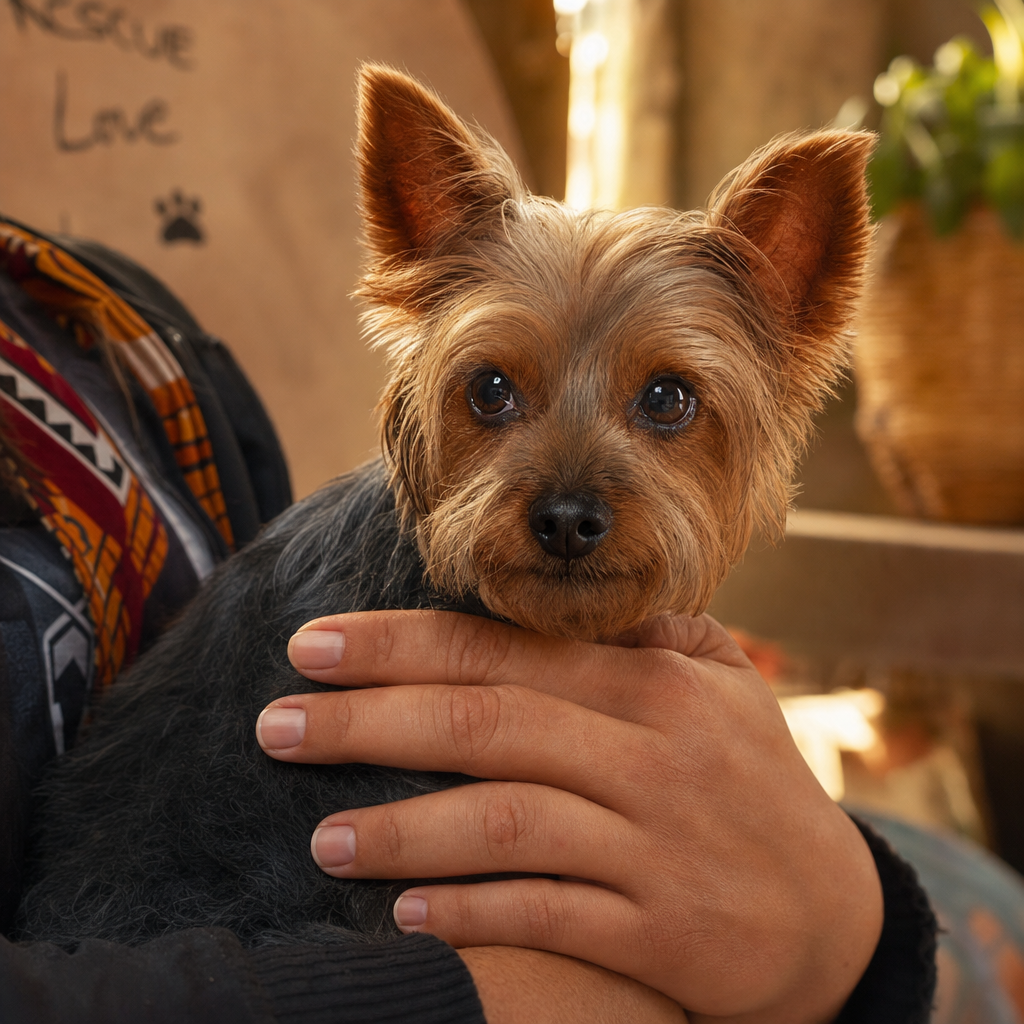
Helping people make better Yorkie decisions before dogs need rescuing
Yorkiesa aims to be useful, and genuine usefulness includes encouraging better decisions before a Yorkie lands in crisis. That means realistic care expectations, calmer adoption choices, better breed understanding, and a clearer picture of why Yorkies end up needing surrender, rehoming, or rescue support.
Rescue support is not only about what happens after a dog is already displaced. It is also about prevention, education, and making ownership decisions that are less likely to fail.
Need adoption, surrender or rehoming help?
Yorkiesa explains rescue-aware decisions. For official Yorkshire Terrier adoption, surrender and rehoming support, use the SA Yorkie Rescue / SAYR websites and forms. Province-specific surrender forms are available for a faster response.
For urgent surrender cases, start the official form first, then WhatsApp or call. Contacting the team does not guarantee immediate placement.
Why rescue-first thinking matters
- It reduces impulse-driven acquisition
- It makes people think harder about long-term care
- It improves adoption quality and home suitability
- It gives better context to surrender and rehoming problems
- It encourages responsibility instead of novelty-based ownership
What rescue support really looks like
- Helping people understand the breed honestly
- Encouraging realistic home-fit decisions
- Supporting ethical adoption pathways
- Explaining where rescue Yorkies come from
- Creating better content around care, health, and stability
- Countering misleading search language around teacup, tiny, doll face, and similar sales labels
Good rescue support is more than a donation button
A useful Yorkie site can support rescue by reducing bad matches, improving expectations, and giving people a calmer path before they make emotional decisions. That means clear education for adopters, careful wording around puppies and breeders, and practical guidance for owners who are struggling but not yet in crisis.
For South African Yorkie owners, the pressure points are often ordinary: transport to a vet, grooming costs, body corporate or rental restrictions, moving provinces, elderly owners who can no longer cope, and families who did not realise how sensitive small dogs can be. Content should meet those situations directly.
Content that prevents avoidable surrender
- Care guides that explain daily routines before people adopt.
- Health pages that encourage early vet attention instead of delay.
- Training guidance that separates anxiety, pain, and routine gaps from "bad behaviour".
- Adoption pages that tell people what a settling-in period really looks like.
- Breeder-search guidance that warns against size-label marketing and impulse buying.
- Rescue pages that normalise asking for help early.
Signals of a rescue-positive site
- It gives people reasons to slow down before getting a dog.
- It links care, health, temperament, training, adoption, and breeder searches together.
- It avoids shaming struggling owners while still being honest about responsibility.
- It sends high-intent users toward practical next steps instead of thin information.
- It makes rescue feel like a serious welfare pathway, not a last-minute backup plan.
Prevention starts long before a dog is in crisis
If someone decides not to get a Yorkie because the fit is wrong, that is a rescue-positive outcome. If a family adopts more responsibly because they understand grooming costs, health needs, and small-dog fragility, that is a rescue-positive outcome too. Every honest conversation upstream changes the pipeline.
🐾 Official SA Yorkie Rescue resources: If you are already in a position where surrender or rehoming feels necessary, use the SAYR surrender form or visit the official SA Yorkie Rescue site for direct support.
Partner rescues for other situations
If your situation involves a different breed or a lost animal, these trusted partner organisations may be a better fit:
- Lost Dogs SA — reuniting lost and found dogs in South Africa
- Little Doggy Rescue — small dog rehoming and adoption support
- Maltese Rescue SA — Maltese rescue and rehoming help
- French Bulldog Rescue SA — French Bulldog rescue and surrender support
More rescue-aware guides worth reading
Most Yorkies don't end up in rescue because of one dramatic event — it's a slow build of costs, moves, age, and expectations. These guides meet those pressure points head-on.
Yorkie rescue in South Africa
How rescue Yorkies find their second homes in SA — the network, the process, and where to start looking for support.
Read the rescue guide →Moving homes with a Yorkie
Moving is one of the most common surrender triggers in South Africa. Practical steps for helping a Yorkie settle into a new home.
Read the moving guide →Yorkie costs in South Africa
Grooming and vet costs catch owners out all the time. The honest budget guide — what a Yorkie really costs to keep.
Read the cost guide →The teacup label trap
Teacup, miniature, pocket — these marketing labels hide real health risks. What to know before you fall for the tiny size.
Read the teacup guide →Senior Yorkie care
Elderly owners and aging dogs are a big part of the rescue story. What caring for an older Yorkie really involves.
Read the senior care guide →First-time Yorkie owner
Unrealistic expectations are a rescue driver. The honest starter guide to what owning a Yorkie really means.
Read the starter guide →Ready to take the next step?
Whether you are considering adoption, want to understand the breed better, or need rescue resources, these pages will help you move forward with confidence.