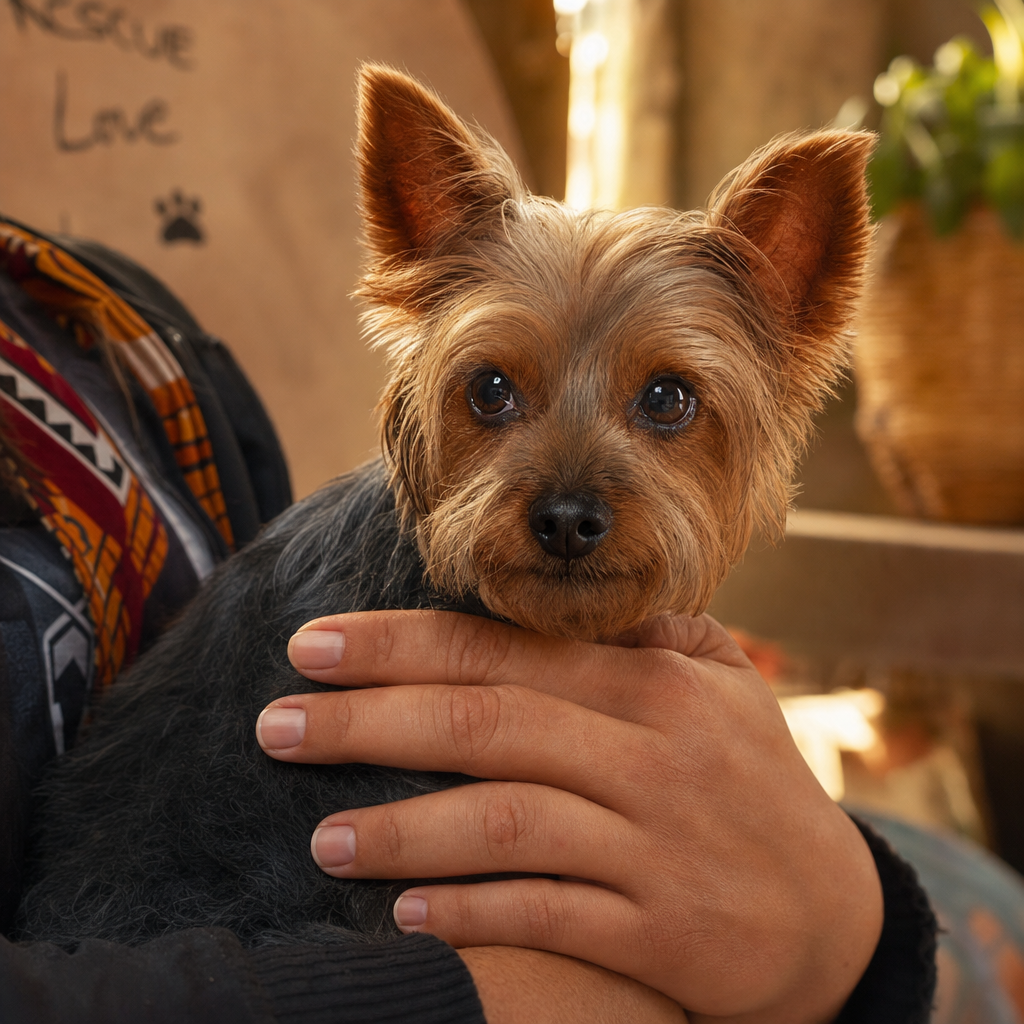
Need to rehome a Yorkie in South Africa?
Rehoming a Yorkie should never be a rushed handover to the first person who offers. If your situation has changed, the safest next step is to protect the dog’s immediate welfare, gather honest information, and approach reputable rescue or welfare channels.
Need official SA Yorkie Rescue surrender help?
If you need to surrender or rehome your own Yorkie, use the official SA Yorkie Rescue / SAYR surrender route. Prepare the dog's age, sex, location, health history, behaviour notes, photos and urgency level before submitting. Province-specific guidance is available.
For urgent cases, WhatsApp or call after starting the form. A message or call does not replace the form and cannot guarantee immediate placement.
Surrender guidance for your province
The official SAYR surrender route is the same across South Africa, but the local picture differs — housing and body corporate rules, distances, transport and placement options. Choose your province for guidance written for owners in your area, then complete the same official form.
If the dog is at immediate risk
- Make sure the Yorkie has water, food, shade or warmth, and a secure place away from hazards.
- Contact a vet urgently for injury, collapse, breathing trouble, poisoning, severe vomiting, diarrhoea, or untreated pain.
- Do not abandon, give away, or sell the dog quickly because the situation feels stressful.
- If there is danger in the home, contact a local animal welfare organisation or trusted rescue for urgent guidance.
Information to prepare before asking for help
- Age, sex, sterilisation and microchip status.
- Vet history, vaccination status, medication, allergies, dental or skin issues.
- Behaviour with adults, children, visitors, cats, dogs, grooming and handling.
- Reason for rehoming, urgency, location, and whether temporary foster help may solve the crisis.
- Clear recent photos showing face, full body, coat condition and any medical concerns.
A good rehoming process protects the dog after the handover
Yorkies are small, popular, and easy to move around, which makes careless rehoming risky. A responsible process checks the new home, explains the dog honestly, avoids impulse takers, and puts the dog’s long-term safety ahead of speed or convenience.
If behaviour or medical needs are part of the reason for rehoming, say so clearly. Hiding problems makes failed placements more likely and can put the dog, the new family, and other animals at risk.
Avoid these risky shortcuts
- Posting “free to good home” without screening.
- Handing the dog over in a car park with no home check or follow-up.
- Withholding bite, health, anxiety, toileting or medication history.
- Moving the dog repeatedly between friends and relatives with no stable plan.
- Assuming a cute small dog will be safe just because someone says they love Yorkies.
Can the problem be solved before rehoming?
Sometimes surrender is the right outcome. Sometimes the pressure is temporary: grooming has become overwhelming, vet costs are unclear, toileting has broken down, barking is causing conflict, or a new baby, move, illness or financial stress has changed the home. Before deciding, check whether practical support, a vet visit, training advice, temporary foster help, or a calmer routine could keep the dog safely in place.