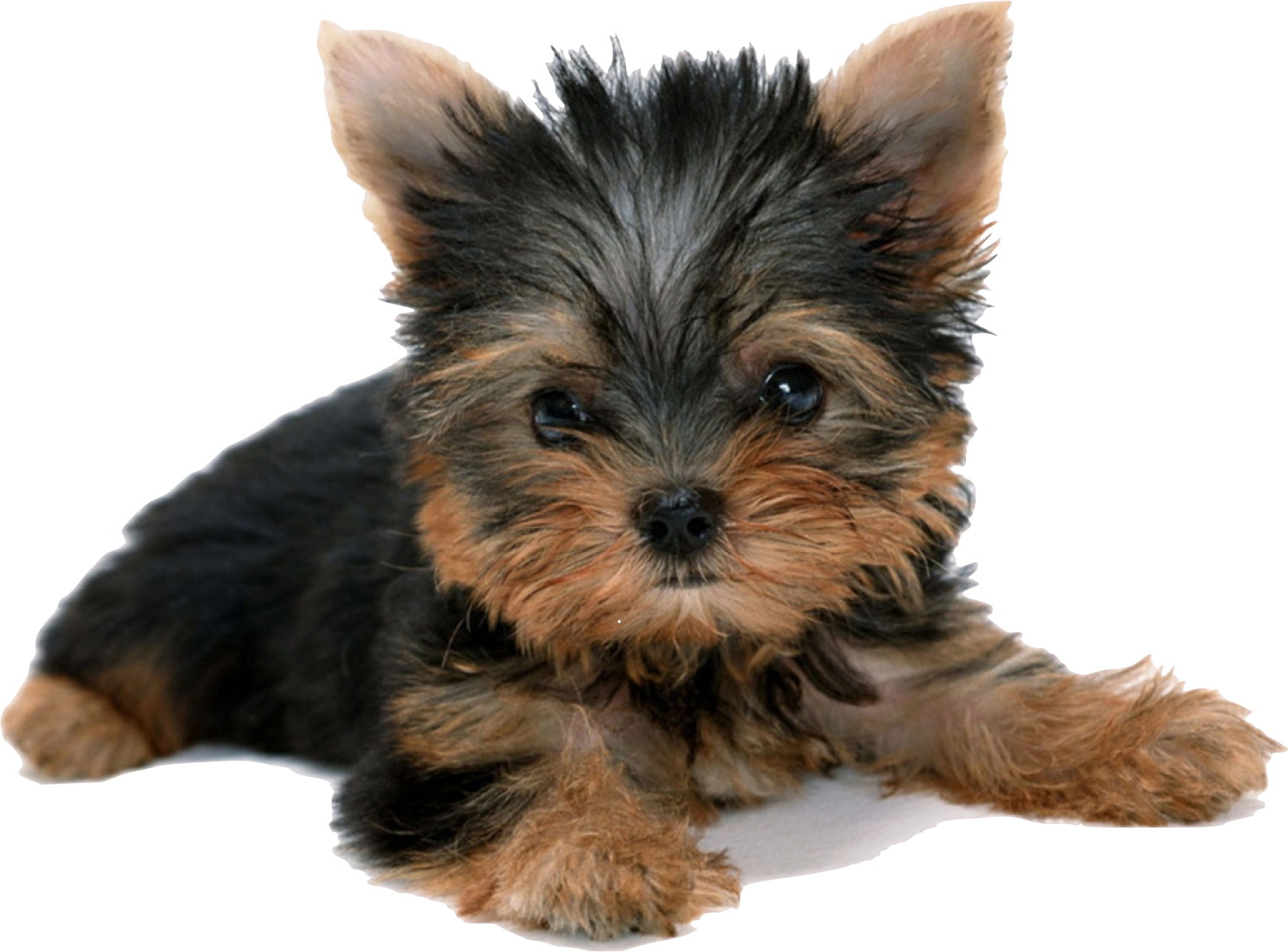
Breed origin Huddersfield Ben Toy vs terrier Inbreeding warning

Yorkie breed history and origin — real terrier roots

The Yorkshire Terrier may be perched on a velvet cushion today, but this breed was born in coal mines, textile mills, and rat-infested alleyways. Understanding where the Yorkie really comes from makes you a better owner — and explains a lot about the little dog sleeping on your lap.

Originally written by Gareth Norton for the original yorkiesa.com — the voice of a South African bloke who lived with these dogs for decades. This version updates the facts, keeps the personality, and makes everything rescue-safe. If you are looking to adopt a Yorkie in South Africa, understanding the breed's history helps you appreciate what kind of dog you are really bringing home.

Old breedRecognised 1870
Terrier rootsMines and mills
5kg sireHuddersfield Ben
Yorkshire Terrier showcasing the breed's classic blue and tan coat
The coat tells a story.

That famous steel-blue and tan coat was bred for purpose, not fashion — it kept working terriers warm in cold English mills while remaining practical for the ratting jobs these dogs were paid to do. The miners who bred them did not care about dog shows; they cared about dogs that could kill rats.

Where the breed began

The real origin of the Yorkshire Terrier

How the Yorkshire Terrier developed is not recorded in any single document. The breed likely came from crosses between several terrier types that were common in the north of England during the 19th century, including the Waterside Terrier, the Skye Terrier, the Maltese, the Paisley Terrier, the Clydesdale Terrier, the Welsh Terrier, and the Old English Black and Tan Terrier.

In 1870, at a meeting of the English Kennel Club, the breed was officially named "Yorkshire Terrier" — named after the county where the best specimens were being produced. It has grown more popular with every decade since.

Here is the thing people tend to forget: these dogs were not bred for looks. They were bred to work. The mines of Yorkshire were crawling with rats, and the miners needed small, fierce dogs that could get into tight spaces and do a job. A Yorkie that could not kill a rat was no use to anyone. That instinct is still in every Yorkie puppy today, buried under the silky coat and the cute face. Respect it.

Sources: modern breed histories collated and cross-checked against the original yorkiesa.com article. The AKC recognised the breed in 1885.

The dog that built the breed

Huddersfield Ben — the 5kg foundation sire

If there is one name every Yorkie owner should know, it is Huddersfield Ben. Born in 1865, Ben weighed about 5 kilograms (11 pounds) — far larger than the average show Yorkie of today. He was owned by a woman named Mrs. A. Foster and became a celebrated show dog and ratter across Yorkshire.

Here is the kicker: Ben was not some pampered lapdog. He was a champion in the rat pits — a legitimate working terrier that earned his keep. And at 5kg, he was almost double the size of many show Yorkies you see today. That tells you something about how much the breed has changed through selective breeding.

Ben's bloodline appears in nearly every Yorkshire Terrier pedigree in existence. Almost every Yorkie alive today can trace its lineage back to this single dog. That is a remarkable legacy for a terrier that was bred to kill rats, not to sit on laps.

The original yorkiesa.com used to say: "Do not be surprised when your tiny Yorkie starts devouring large bones with relative ease" — that same working terrier spirit lives on in every Yorkie, and it comes straight from dogs like Ben who had a job to do. If you want to adopt rather than buy, apply to adopt a Yorkie through SAYR and see that terrier spirit first-hand.

Huddersfield Ben — key facts

Born 1865
Weight ~5 kg (11 lbs)
Owner Mrs. A. Foster
Claim to fame Foundation sire of the breed; champion show dog and ratter
Legacy His bloodline appears in nearly all modern Yorkie pedigrees
The big question

Toy dog or real terrier? Yes.

Most kennel clubs classify the Yorkshire Terrier as a toy breed. That classification is about size, not temperament. In practice, the Yorkie is a working terrier in a small package — adventurous, brave, and apparently unaware that he weighs less than a bag of groceries.

The original yorkiesa.com put it plainly: "Yorkies are adventurous and brave, unaware of limitations due to their size — or rather lack of size. There exist two views of the Yorkie: first that they are real dogs and active little terriers, second that they are fragile little toy dogs bred for pampering. The view the owner has will often affect the way their particular Yorkie turns out."

That last point is worth repeating. If you treat your Yorkie like a fragile ornament, he will act like one. If you give him proper exercise, mental stimulation, and a job to do (even if that job is just structured games and training), he will show you what a terrier can really be.

What makes the Yorkie a terrier

  • Instinct to hunt — that squirrel, that noise, that rustle under the hedge
  • Fearless alertness — he will bark at danger whether it is a thief or a leaf
  • High prey drive — small animals trigger the chase instinct
  • Independent thinking — terriers were bred to work alone underground
  • Bold with bigger dogs — he does not know he is small, and that is the point
  • Energetic and busy — a tired Yorkie is a happy, well-behaved Yorkie
The coat that made them famous

Why that silky coat matters

For many people, the most outstanding feature of the Yorkshire Terrier is their beautiful silky coat. It is a true "coat breed" — the silky hair is unique, and the blue-and-tan colouration is the breed's trademark. Yorkie puppies are born black and tan; the steel blue develops as they mature, typically settling in by the time they are two to three years old.

A wonderful advantage of the Yorkie coat is that it hardly sheds. They are considered hypoallergenic. If you or someone in your family suffers from dog-related allergies, a Yorkie can be a great choice as a family pet — though no dog is truly 100% hypoallergenic, and individual reactions vary.

The downside? That beautiful coat requires regular grooming. Daily brushing, professional clipping every six to eight weeks, and careful attention to eye staining are all part of life with a Yorkie. The original site called it "the price of beauty" — and it fits.

Read the full Yorkie care guide for grooming advice

The honest warning

Inbreeding, line breeding, and what it means for your dog

Honest advice that the original site did not hold back on: choosing a trusted breeder is critically important. It is not only important to ensure you get a purebred dog — you can get something worse than a mixed breed. You may end up with a puppy that has been inbred, or what breeders sometimes call "line bred."

This can cause terrible problems with regard to health and temperament. It can also cause a lot of upset for the family when these problems appear later in life — sometimes ending in euthanasia. Care must be taken when making the big decision to get any dog.

Yorkshire Terriers are unfortunately often inbred — sometimes called "type setting" in breeding circles. While this can help consistently produce smaller dogs (like teacups) or dogs with certain coat characteristics, there are often serious genetic weaknesses passed on.

You should check the ancestry of both parents, especially if the parents are young. Some genetic disorders only appear later in life, and a responsible breeder will be transparent about health testing and lineage. If a breeder cannot or will not show you the results of health clearances for both parents, walk away.

The rescue community sees the result of poor breeding every day. Choosing to adopt a Yorkie through SAYR is always an option, and it breaks the cycle of irresponsible breeding. There are wonderful Yorkies waiting for homes who need a second chance, not a pristine pedigree.

This is the uncomfortable truth. Inbreeding for extreme size reduction (teacups, micros) is particularly dangerous. The original yorkiesa.com warned about this over a decade ago, and nothing has changed. Smaller is not better when it comes to health. Read what teacups really are and why the term should make you cautious, not excited.

Popular characteristics

Beyond the coat — what makes a Yorkie special

When properly bred and raised in a family environment, the Yorkie has a wonderful nature with children. A key feature of the little dog is also his size — and while he may decide to protect the family from a perceived danger, making a lot of noise and even trying to attack, you need not worry about a lawsuit for mauling. Many believe there is no braver dog than the Yorkshire Terrier.

That courage is a double-edged sword. A Yorkie that does not know its own size can get into trouble with bigger dogs, traffic, or dangerous situations. Responsible ownership means managing that boldness with training, supervision, and common sense.

Yorkshire Terrier puppy — the breed standard starts early
Born black and tan

What Yorkie puppies look like

Yorkie puppies are born black with tan markings on the muzzle, legs, and above the eyes. The steel-blue body colour develops gradually over the first two to three years. A puppy's adult coat colour is not fully settled until about age three.

See the Yorkie growth chart for size expectations

Related reading

Explore the rest of the site

Breed history, care, health, feeding, and temperament are all connected. Use these links to find the guidance that fits your situation.

Common questions

Quick answers about Yorkie history and origin

Where did the Yorkshire Terrier originate?

The Yorkshire Terrier was developed in 19th-century Yorkshire and Lancashire, England. It descends from crosses between several terrier types including the Waterside Terrier, Skye Terrier, Maltese, Paisley Terrier, Clydesdale Terrier, Welsh Terrier, and Old English Black and Tan Terrier. The breed was officially named in 1870.

Who was Huddersfield Ben?

Huddersfield Ben, born in 1865 and weighing about 5 kilograms, is the foundation sire of the modern Yorkshire Terrier. He was a champion show dog and ratter owned by Mrs. A. Foster. His bloodline appears in nearly all modern Yorkie pedigrees. He was much larger than today's show Yorkies.

Is a Yorkie a toy dog or a terrier?

Both. Kennel clubs classify Yorkies as a toy breed based on size, but their temperament is pure terrier — brave, adventurous, and independent. How your Yorkie turns out depends largely on how you raise and treat him. Treat him like a fragile toy and he will act like one; treat him like a real dog and he will show you what terrier spirit means.

Do Yorkies shed?

Very little. Yorkies have a single coat of silky hair that is structurally similar to human hair. They are considered hypoallergenic, though no dog is 100% allergy-free. The trade-off is that their coat requires regular grooming to prevent matting.

Why are some Yorkies more prone to health problems?

Decades of selective breeding for smaller size and specific coat traits have led to inbreeding in many bloodlines. This concentrates genetic weaknesses. Common issues include dental problems, hypoglycaemia, liver shunts, and patellar luxation. Choosing a responsible breeder who health-tests or opting to adopt from rescue makes a huge difference.

Next step

Build on what you have learned

History is just the beginning. Knowing where your Yorkie comes from helps you understand his behaviour, his health risks, and what he needs from you. Continue learning with the breed guide or explore adoption through SA Yorkie Rescue.