
Can Yorkies chew bones?
Short answer: yes — raw bones. Cooked bones, absolutely not. This page explains the difference, the benefits, the risks, and exactly what to give a tiny Yorkie.
Refreshed with practical South African guidance. A Yorkie with strong jaws and clean teeth is a healthier, happier dog — and the right bones help achieve both.
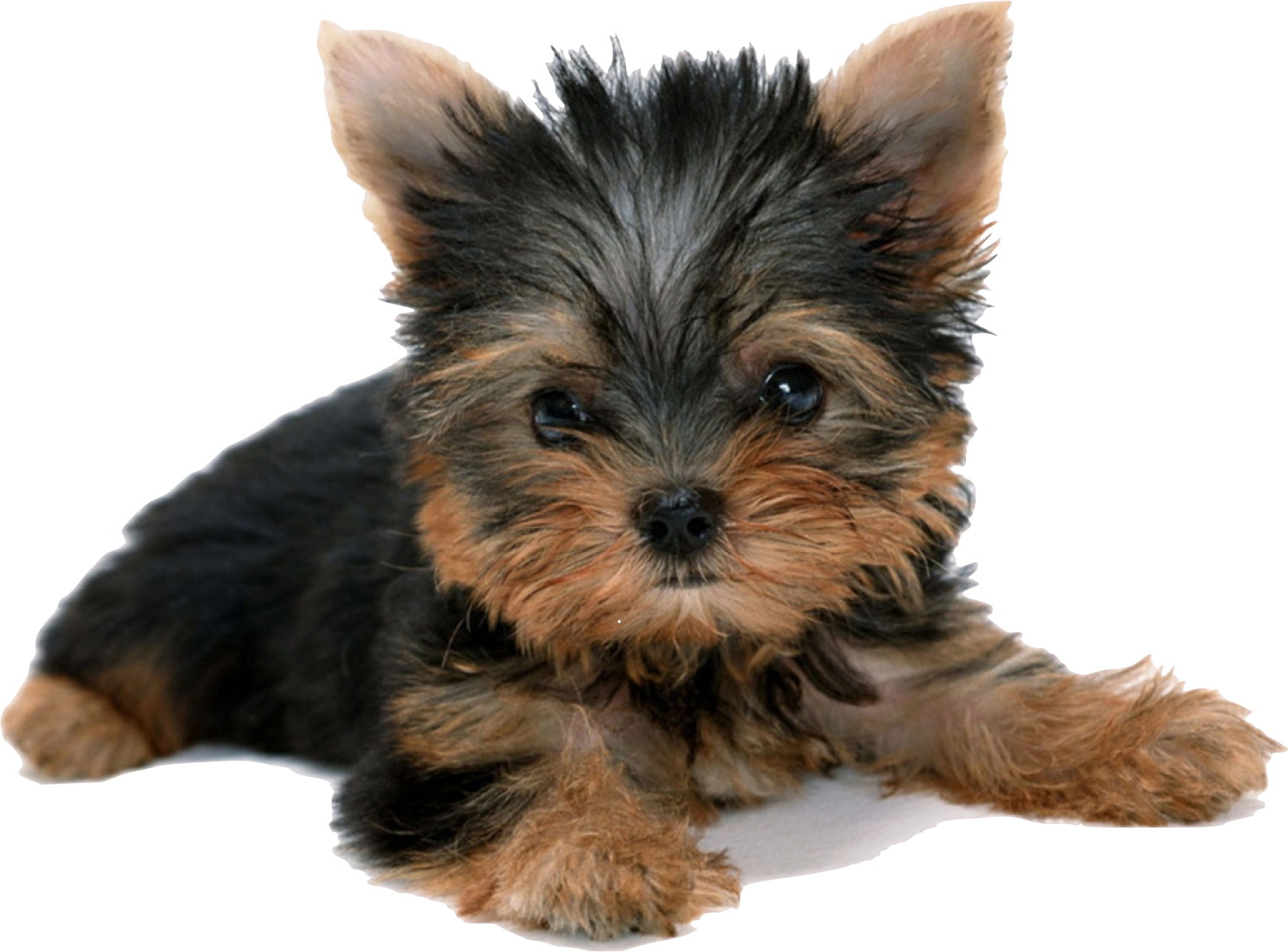
Raw bones can be part of a healthy Yorkie diet. Cooked bones are dangerous and can kill your dog. The difference is not negotiable.
Raw bones vs cooked bones — life and death
✅ Raw bones are generally safe
Raw bones are pliable, digestible, and nutritious. The marrow inside is especially good — it contributes to a healthy coat, and the calcium from raw bone is more bioavailable than supplements. The larger pieces stay in the stomach longer, allowing proper digestion and mineral absorption.
Most important: dogs love bones. When dogs chew, endorphins are released from the brain. These natural chemicals make dogs feel good. Chewing is not just physical exercise — it is mental enrichment too.
❌ Cooked bones are dangerous
Cooking changes the structure of bone. It becomes brittle and splinters into sharp fragments. These shards can perforate the oesophagus, stomach, or intestines — a veterinary emergency that often requires surgery and can be fatal.
Cooked bones also lose most of their nutritional value. The heat denatures proteins and makes minerals less absorbable. You get none of the benefits and all of the risk. No braai leftovers, no cooked chicken bones, no cooked lamb chop bones, and definitely no T-bones from the Sunday roast.
Zero tolerance on cooked bones. Even if your Yorkie has eaten cooked bones before without incident, the next time could be different. The splintering is unpredictable. Do not risk it.
Bones that suit a Yorkie's size and jaw strength
A Yorkie's jaw is small, but a Yorkie accustomed to chewing can develop surprising bite strength: Do not be surprised when your tiny Yorkie, eventually after some months of practising, starts devouring even large bones with relative ease. Start small, build up gradually, and always supervise.
Start with soft bones
If your Yorkie has never had bones, his jaws will be weak. Start with small, soft raw bones:
- Raw chicken wings — excellent starter bone for tiny jaws
- Raw chicken necks — soft and easy to crunch
- Raw chicken frames — good once they get the hang of it
- Raw chicken heads (beak clipped) — old school and very nutritious
Move to denser bones
As jaw strength improves, introduce denser options:
- Raw lamb ribs — softer than beef, good next step
- Raw mutton bones — once chicken is too easy
- Raw pork ribs — manageable for experienced chewers
- Raw turkey necks — denser than chicken, still safe
Avoid: beef bones are very hard. Most Yorkies will bury them rather than chew them. Weight-bearing bones from large animals can fracture tiny teeth.
Beyond nutrition — jaw health and dental benefits
Chewing raw bones is one of the most natural ways to keep a Yorkie's teeth clean. The mechanical action of scraping against bone removes plaque and tartar buildup. Combined with the nutritional benefits of marrow and calcium, raw bones support both dental and skeletal health.
Yorkies are prone to dental disease — it is one of the most common health problems in the breed. Regular chewing helps keep gums healthy and teeth strong. That means fewer vet visits for dental cleaning and less risk of tooth loss later in life.
Strong jaws matter for more than just eating. A Yorkie with weak jaws misses out on one of the most natural dog behaviours: chewing. Chewing relieves stress, provides mental stimulation, and satisfies a deep instinct. Dogs that are denied appropriate chewing outlets often develop destructive behaviours like chewing furniture, shoes, or baseboards.
If your Yorkie is a rescue who may not have had access to bones, start gently. Keep trying different bones until you find what suits your Yorkie best. He will be very happy.
Bones and chews to avoid completely
Never give these
- Any cooked bone — chicken, beef, lamb, pork, fish — all splinter when cooked
- Weight-bearing beef bones — too hard for Yorkie teeth, risk of fracture
- Small, sharp bones — fish bones, rib bones from small animals that could be swallowed whole
- Processed bone treats — smoked, baked, or dried bones from pet shops are often cooked and brittle
- Antlers and hooves — extremely hard, can crack teeth even in larger dogs
Safer alternatives
If you are not comfortable with raw bones or your Yorkie has health issues that make bones risky, try these instead:
- Yak milk chews — hard cheese-based chews that soften as the dog chews
- Bully sticks — single-ingredient, digestible, and long-lasting
- Rubber chew toys — Kong-type toys with treat pockets for mental stimulation
- Vet-approved dental chews — formulated for small breeds
- Carrot sticks (chilled) — crunchy, low-calorie, and safe
Bone-chewing safety rules for Yorkie owners
- Supervise every chew session. Never leave your Yorkie alone with a bone. Be present and watch for problems.
- Know the right size. The bone should be larger than your Yorkie's mouth so it cannot be swallowed whole.
- Limit time. 15 to 20 minutes per session is usually enough. Remove and refrigerate the bone between sessions.
- Discard after 2-3 days. Raw bones spoil. Throw them out after a few days in the fridge, or sooner if they look or smell off.
- Know the signs of trouble. Gagging, choking, vomiting, straining to pass stool, or blood in the stool all warrant an immediate vet visit.
- Watch the teeth. If your Yorkie is crunching too aggressively, check for cracked or chipped teeth afterwards.
- Not for gulp-and-swallow eaters. Some dogs try to swallow bones whole. If yours does this, bones are not safe — switch to alternatives.
- Consult your vet. If your Yorkie has pancreatitis, dental disease, digestive issues, or is very old or very young, ask your vet before introducing bones.
Common questions about Yorkies and bones
Can Yorkie puppies chew bones?
Yes, but with extra care. Puppy teeth are smaller and jaws are weaker. Start with very soft raw chicken wings or necks, and supervise closely. Puppy chewing also helps with teething discomfort. Never give a puppy cooked bones of any kind.
Can Yorkies eat bone marrow?
Yes, raw bone marrow is highly nutritious — it contains healthy fats, vitamins, and minerals that support coat health and overall wellbeing. Just factor the extra calories into your Yorkie's daily food intake to prevent weight gain.
What if my Yorkie swallows a bone fragment?
Small, soft raw bone fragments are usually digested safely. If the fragment is large or sharp, or if your Yorkie shows signs of distress (gagging, drooling, vomiting, straining, lethargy, blood in stool), contact your vet immediately. This is one reason supervision matters.
My Yorkie buries bones in the garden. Is that normal?
Very normal. It is instinctive food-hoarding behaviour. If your Yorkie consistently buries a particular type of bone, it may be too hard for his liking. Try a softer option. Burying can also lead to the bone getting dirty or rotting — retrieve it before that happens.
Can rescue Yorkies with bad teeth chew bones?
It depends on the condition of their teeth and gums. Many rescue Yorkies arrive with advanced dental disease. Chewing could be painful or cause further damage. Have a vet examine your rescue Yorkie's mouth before introducing bones, and start with alternatives like soft dental chews instead.
Ready to give a Yorkie a loving home? Rescue Yorkies through SAYR are matched with care and support. Ask the rescue what has already been done for the dog you are interested in. Every Yorkie deserves the right food — and the right home. View available Yorkies → or submit a surrender form.
Make the right feeding choices
Bones are just one part of feeding a Yorkie well. Understanding portion sizes, meal timing, treats, and foods to avoid will keep your tiny terrier healthy and happy.